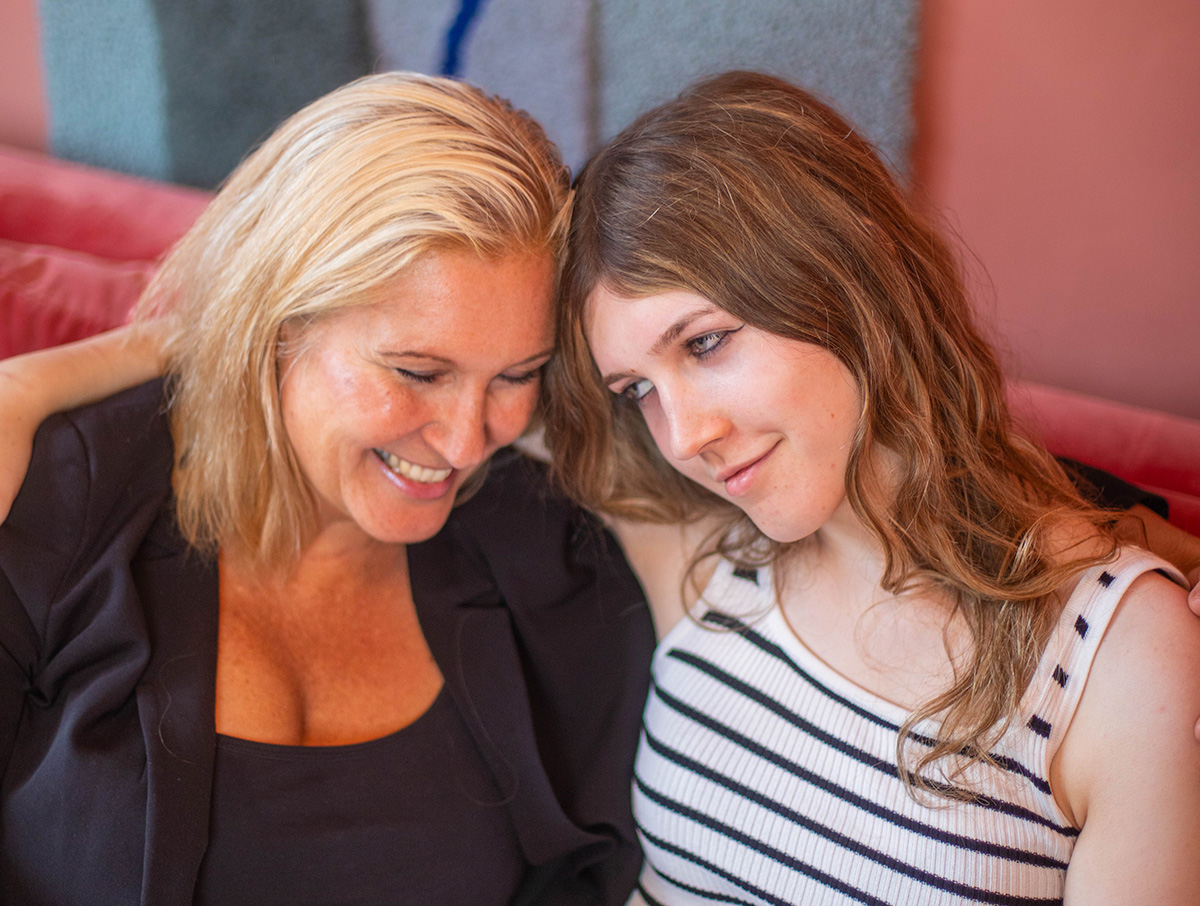
Whether you’re exploring social, medical, emotional, or legal aspects of transition, we want to understand what you want so we can build a care plan that feels right for you. Every gender journey is unique, and we’re here with kindness, clear information, and steady support.

Why counsellors lead your intake session

Your intake appointments are run by trained counsellors, not because this is therapy, but because counsellors are especially skilled at creating calm, open, and non-judgemental conversations. They’re trained in listening deeply, supporting people with a wide range of personalities and neurodiversity, and helping you feel at ease.

Their role isn’t to judge or assess who you are. It’s simply about understanding your needs, answering your questions, and helping shape a care plan that genuinely supports you.

What an intake session is (and what it isn’t)

Your intake session is a gentle, collaborative chat about you: your experience of gender, what you’ve explored so far, and what you might be thinking about next.

It’s also a chance to make sure you have the information you need to make confident, informed choices. How many sessions you’ll have depends on your age and whether you’re new to Anne or switching from another provider:

  • Under 18: usually two to three sessions for new clients; if you’re transferring from another provider, you may need two.
  • Over 18: usually one or two sessions for new clients; one for those transferring clients generally need one.

These sessions are not tests or assessments. There are no hoops to jump through, just space for an honest, supportive conversation.

If you’re under 18, a parent or legal guardian will need to join you for all appointments. This is part of our safeguarding approach, and it helps us make sure you feel supported, safe, and well-informed at every step.

What we might talk about

Your counsellor will guide the conversation, but there’s no script you need to follow. You’ll have plenty of room to share things in your own way. Topics may include:

  • Your gender journey: how your understanding has grown or changed over time
  • Transition and presentation: any social, legal, or medical steps you’ve taken or are curious about
  • Support network: who knows, who supports you, and what helps you feel safe and affirmed
  • Mental and emotional wellbeing: including neurodiversity and anything relevant to your care
  • Informed consent: what you already know about treatment options and what you’d like to explore
  • Fertility: if relevant, what future choices you may want to keep open

There are no right or wrong answers, just an open invitation to be yourself.

How to prepare (if you’d like to)

You don’t need to bring anything with you. Some people find it helpful to think about:

  • How long you’ve understood your gender identity
  • Any changes you’ve already made or hope to make
  • Who supports you in your life right now
  • Any treatments or options you’re curious about

You’re welcome to take notes, or bring someone with you if that helps you feel more comfortable.

If we need a little more time together

Sometimes it’s helpful to explore things over a few sessions. If your counsellor feels that more time would support you better, or if they’re not yet confident that you have everything you need to give informed consent, they may check in with Marianne Oakes, our Head of Counselling.

In some cases, further sessions with a senior counsellor may be recommended to make sure you get the support you need.

Your journey, your pace, your care

Take the first step with Anne.

We’re here to guide and support you with inclusive, gender-affirming care built around you.

Sign up to our mailing list

For all the tea, T and trans+ healthcare updates.

See our privacy policy

    
* indicates required